Understanding Electrical Safety in the Rented Sector
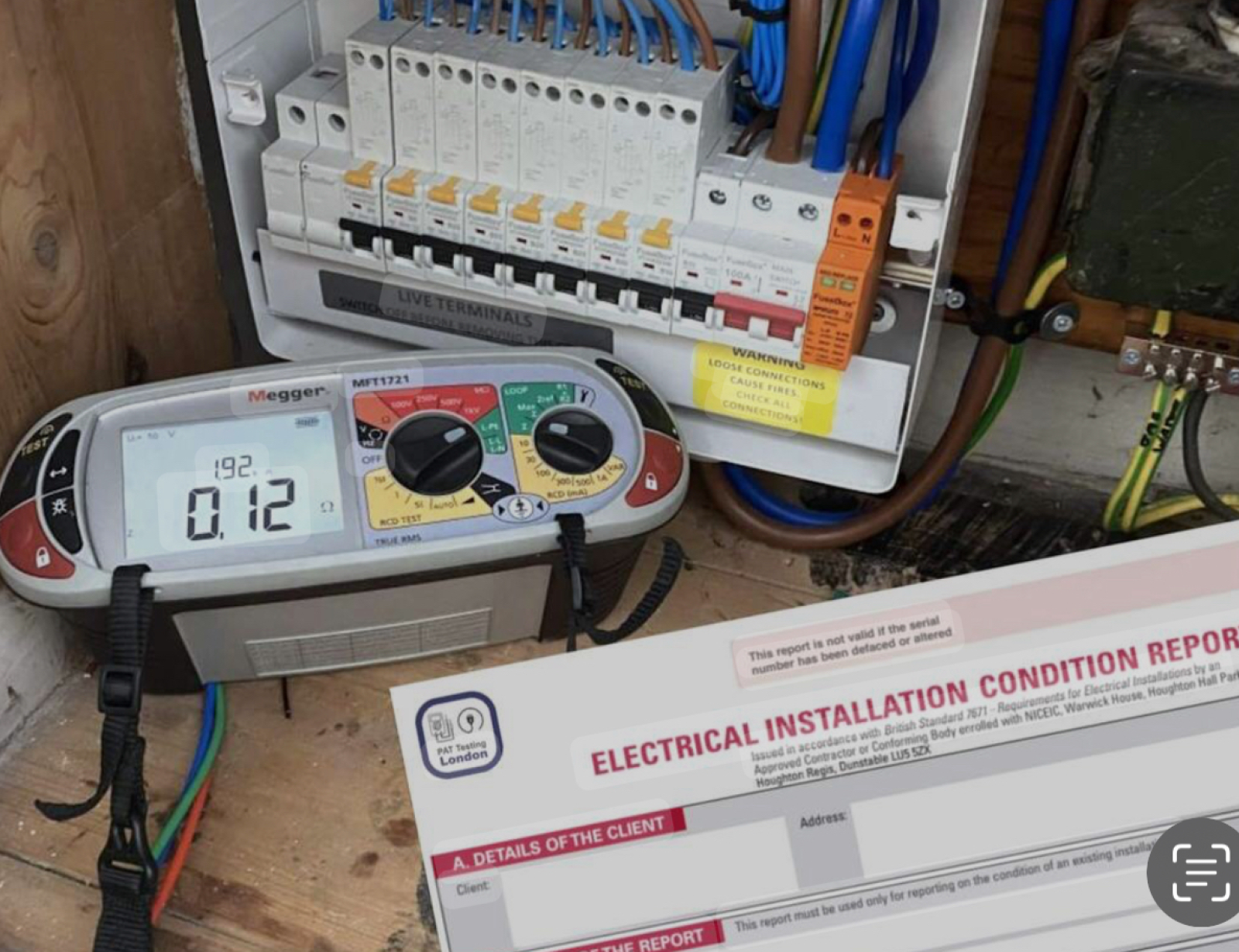
Ensuring electrical safety in rental properties is a legal requirement for landlords across the UK. Electrical Installation Condition Reports (EICRs) are essential for confirming that electrical systems are safe and compliant. Recent regulatory updates have expanded landlords’ responsibilities, especially in the social rented sector, making it crucial for landlords to understand their obligations.
Whether you manage a single property or a portfolio, staying on top of electrical inspections can prevent hazards, avoid penalties, and protect tenants.
The Electrical Safety Standards in the Private Rented Sector (England) Regulations 2020 marked a major step in landlord responsibilities. Under this law, landlords must have electrical installations in their properties inspected and tested at least every five years by a competent person.
These inspections not only reduce the risk of electrical accidents but also ensure that properties comply with current legislation. Landlords who fail to comply may face legal penalties, fines, or liability in the event of an electrical accident.
Following recent government proposals, social landlords now face similar electrical safety duties. Key deadlines include:
Social landlords must also carry out in-service inspection and testing of appliances supplied with the property, commonly known as PAT testing.
The government consultation Electrical Safety in the Social Rented Sector – proposals to extend regulations received strong support:
These changes reflect a commitment to tenant safety and reducing preventable electrical incidents across social housing.
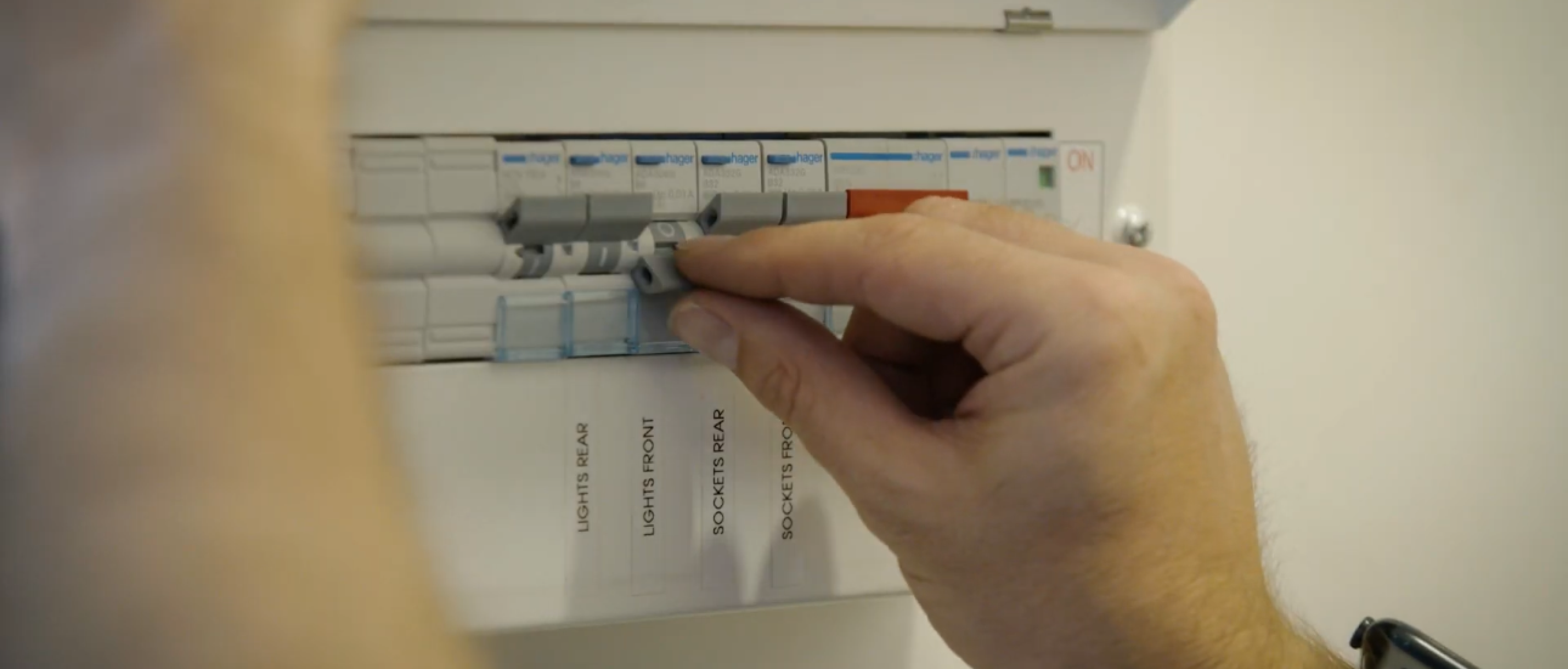
With the regulatory landscape evolving, landlords need trusted, certified electricians to conduct inspections and ensure compliance. CTE Contractors, based in Barnsley and serving all of Yorkshire, is a NICEIC-certified business specialising in EICRs for private and social landlords.
Working with CTE Contractors ensures:
Regular EICRs help landlords by:
Q: How often do landlords need to carry out EICRs?
A:Inspections must be conducted at least every five years, or when a new tenancy begins, whichever comes first.
Q: Who can carry out an EICR?
A: Only a competent person, such as a NICEIC-certified electrician, can legally perform EICRs.
Q: What is included in an EICR?
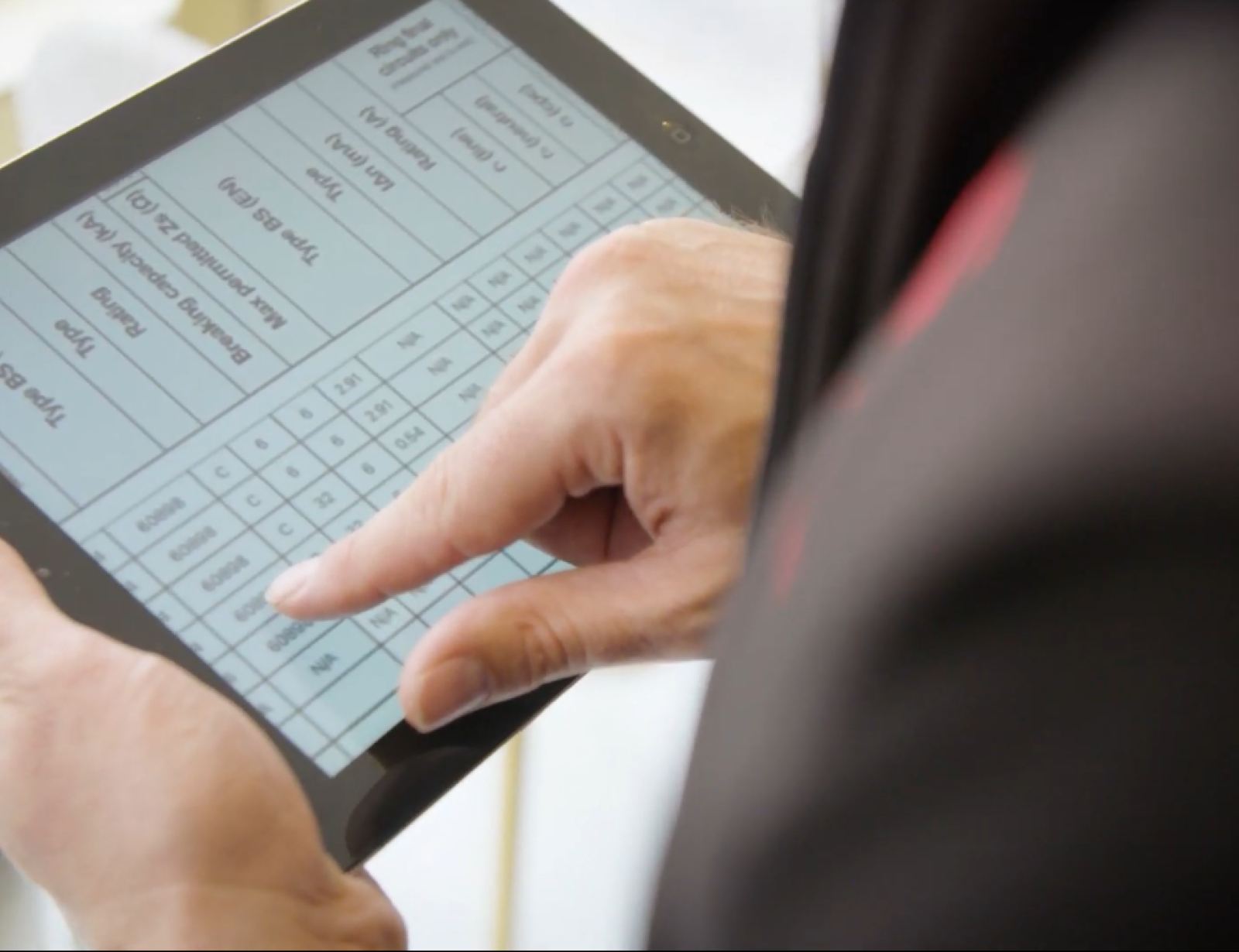
A: An EICR assesses wiring, sockets, switches, and electrical appliances to ensure safety and compliance. A report highlights any deficiencies or hazards.
Q: Are landlords responsible for appliance testing?
A: Yes. Social landlords must carry out PAT testing on appliances provided with the property.
With the new regulations taking effect soon, it’s the perfect time for landlords to schedule EICRs. Waiting until the last minute risks non-compliance and potential safety issues.
Paul Collins, Technical Director at NICEIC, commented:
"The introduction of regulations for the social and private rented sectors marks a positive step forward for electrical safety. All tenants deserve to feel safe in their homes, and mandatory electrical safety checks carried out by competent businesses such as those certified by NICEIC will go a long way to achieving that."
Contact us for more information on compliance
Book a Compliance CallChris and his guys are really professional, and just very nice people to do business with.
I have used them many times now in my home for various projects and also my friends and family's homes.
Full house rewire in our house, along with spotlights and outside sockets and lights. Really pleased and I won’t be going anywhere else in future.
Chris and particularly Alex have been involved in a full refurb of our new property. We had a full rewire, plus many extras. They have all been absolutely fantastic. Very professional, helpful and great at their work. I would definitely recommend them to anyone who requires electrical work. Thank you guys.
Had Chris and the team in for a Consumer Unit change and some downlights. 1st class from start to finish. Turned up on time and job completed within timescale. Would recommend.